
Tour review · TOUR REVIEWS
Open Water Diver course PADI in Cancun
Learning scuba in Cancun can feel intimidating at first. What makes this course interesting is the structured PADI flow, plus hands-on coaching that helps you go from theory to real skills without rushing. I like that the program is built around PADI Open Water training, and it includes four ocean sessions with the gear and boat transport handled for you.
Two other things I really like about this setup are the hotel pickup and drop-off across Cancun, Playa del Carmen, and Riviera Maya, and the fact that the group stays small, with a maximum of 15 people. That usually means more time for questions and more personal pacing, which matters a lot when you are learning buoyancy and breathing under water.
One consideration: you will need to plan for the medical questionnaire and a tight three-day schedule starting at 8:30 am. If you are flying in, note that diving within 24 hours of your flight is not recommended, so build in some buffer time.
Key highlights worth knowing
- PADI Open Water structure: theory plus pool skill work, then ocean training sessions that use what you learned
- Small-group cap (15 max): more individual attention during skill checks and practice
- Equipment and boat transport included: you are not juggling rentals, extra payments, or logistics
- Strong instructor feedback: clear, patient coaching with named instructors like Elana and Patrick
- Diversland team support: organized day-to-day operations, and multilingual help from the team
- Certification payoff: allows scuba down to 18 meters once you finish the course
PADI Open Water certification in Cancun: who this is best for
This is a solid choice if you want your first scuba certification without guessing how it all comes together. The PADI Open Water track is designed to be step-by-step, starting with basic scuba principles, then building skills in a controlled setting, and finally applying them in the ocean.
You will enjoy this most if you like learning at a calm pace. Several parts of the program reward good repetition, like learning how to regulate your breathing, manage buoyancy, and move safely while wearing full scuba gear. And if you are the type who likes knowing you are in capable hands, the course runs with a certified PADI instructor plus multilingual support.
It also works well for a wide range of people because you do not just do one big “try it” session. You do theory, confined-water practice, and then four ocean training sessions. That sequence builds confidence the way it should.
You can also read our reviews of more tours and experiences in Cancun.
Price and what $600 covers (and why it matters)
At $600 per person for about three days, this course is priced like a full package rather than a bare-bones class. What stands out is that key costs are bundled in, including all fees and taxes, the digital manual, equipment use, and boat transportation for the ocean work.
You are also getting bottled water and theory and pool practice, not just the final ocean portion. For many first-timers, the hidden cost is usually the stuff you need to show up ready: gear rentals, additional transport, and paperwork time. Here, the setup is already included, so you spend more of your time learning and less time coordinating.
The only clearly listed extra is diving insurance, which is optional. If you are the kind of person who prefers to be covered for health and gear risks, plan that in advance rather than trying to figure it out at the last minute.
Getting there smoothly: 8:30 am pickup and the small-group vibe
Your day starts at 8:30 am in Cancún, Quintana Roo, Mexico, with pickup available from all hotels in Playa del Carmen, Cancun, and Riviera Maya. That matters because first-time scuba is not a great match for complicated morning logistics. When you are focused on new equipment and new procedures, you want the route and schedule to be simple.
The maximum group size is 15 people. In practice, a cap like that often keeps things from feeling like a factory line. It does not guarantee one-on-one attention, but it improves the odds that your instructor can spend time correcting hand positions, checking comfort levels, and guiding you through each step without feeling rushed.
The course is offered in English, and you will be working with a professional certified multilingual instructor. So if your Spanish is basic or non-existent, you still should be able to follow instructions clearly.
Stop 1 at Diversland: theory, gear setup, and pool confidence
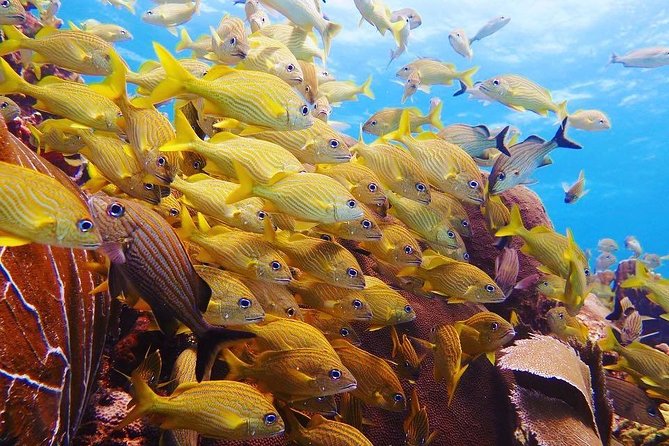
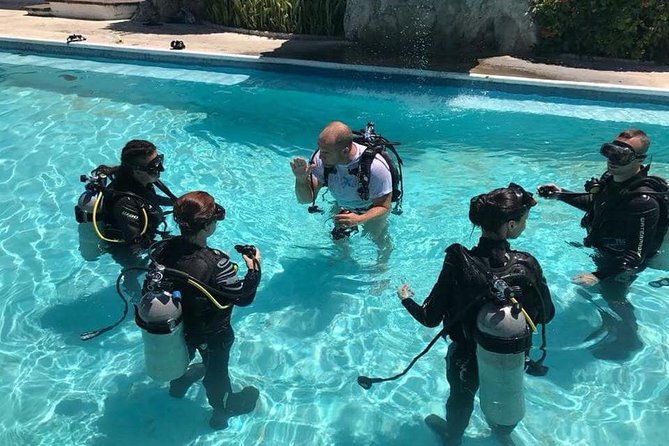
Your first stop is Diversland. This is where the course gets real before you ever head out into open water. The training begins with knowledge development, which includes theory classes plus practice in a pool and the skills you need for the ocean sessions.
Here is what that usually looks like in a PADI Open Water flow:
- You learn the basics of scuba principles through theory work, which may be handled via online independent study or a classroom-style approach.
- You practice core scuba skills in confined water, which is typically a pool or shallow water setting.
The goal of the pool work is not just to say you have been in the water. It is to make you comfortable doing basic tasks while staying calm. That includes getting used to breathing from the regulator, learning how to control your buoyancy, and practicing safe movements with a buddy.
The gear is included, so Diversland handles equipment use for the course. That usually helps you avoid the awkward part where you show up still figuring out a tank, mask fit, and regulator basics.
A big theme from the course feedback is that instructors take the time. Names mentioned in the feedback include Elana, who was praised for being very good to start the course, and Patrick, who was described as patient and helpful throughout. That matters because pool confidence is where ocean comfort is built.
Stop 2 at Blue Dive: boat transport and four ocean training sessions
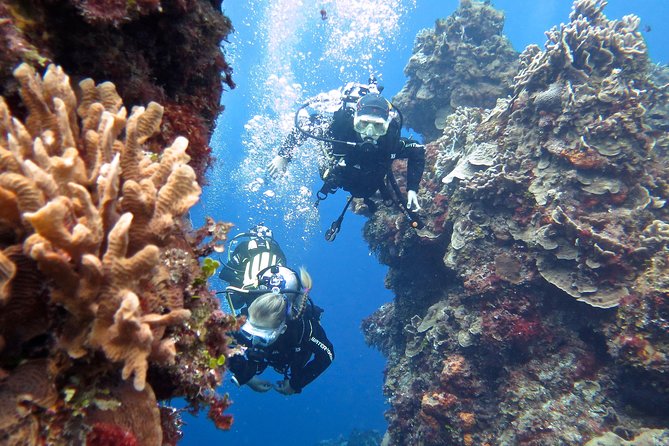
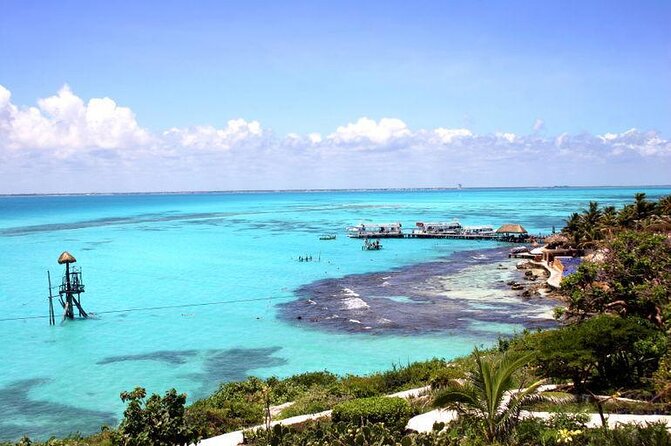
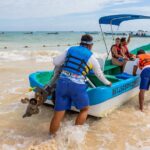
After your early training at Diversland, you go to Blue Dive. This is where the ocean portion comes in, with boat transportation included.
You do a total of four ocean training sessions. That matters because it gives you multiple chances to practice the skills you learned in the pool, not just one single outing where one mistake can throw you off.
With new scuba skills, repetition helps. The first ocean session can feel like a lot: new depth, new buoyancy feel, new surroundings, and the added logistics of being on a boat and entering the water smoothly. By session three or four, you should have a better sense of how to manage your breathing and how to keep yourself steady in the water column.
The boat ride and ocean work are both part of what is included. That is a value point because first-time scuba often adds costs and timing headaches if transport is not handled.
You also get the benefit of a professional certified multilingual instructor guiding you through each step. One feedback point that stuck with me: the team focuses on making you relaxed and safe, and that kind of mindset tends to matter during the transition from calm pool water to open water conditions.


What the course content really means day to day
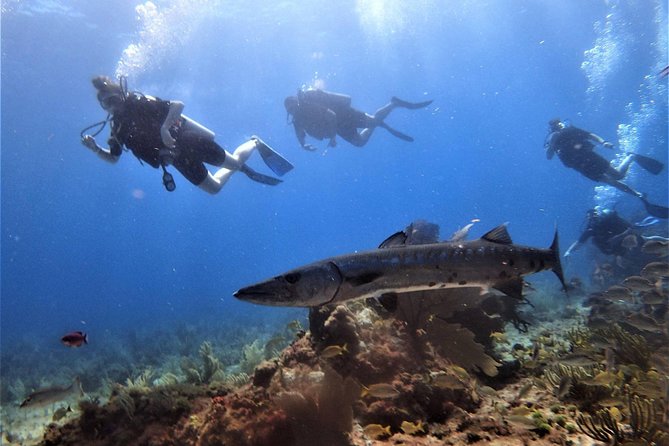
On paper, PADI Open Water breaks into three phases, but each one has a practical purpose.
1) Knowledge development
You work on theory to understand basic scuba principles. This is not “school for school’s sake.” It is what helps you understand why instructors ask you to do certain safety checks and what you are actually controlling when you adjust your gear and breathing.
2) Confined water sessions
These are for learning basic skills in a pool or shallow setting. This is where you build muscle memory for what to do if something feels unfamiliar. If you are worried about being overwhelmed, this phase is the buffer that prevents that.
3) Open water training sessions
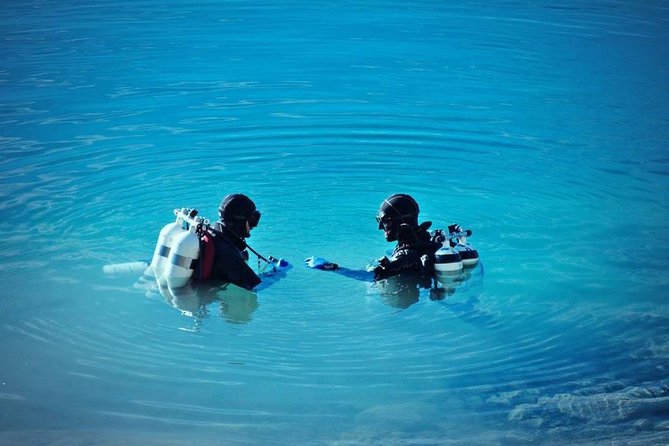
This is where you apply your pool skills in the ocean. You should expect some new variables compared to a pool: movement from waves, more visual cues from the water and surroundings, and the need to stay focused on buoyancy and spacing.
If you like knowing exactly what is coming next, this structure is a win. It is easier to relax when your brain can predict the sequence.
Instructor care: Elana, Patrick, and a team that keeps things calm
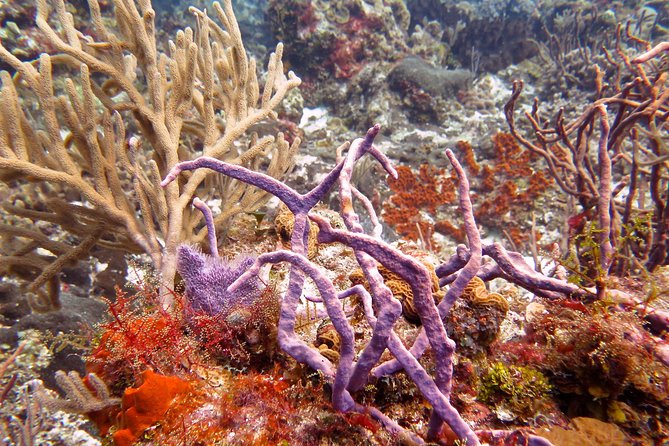
A first-timer’s biggest fear is often less about the equipment and more about feeling awkward or pressured. The course feedback here is strongly consistent on patience and calm instruction.
Elana started one participant’s course and was described as very good. Patrick was also praised for being patient, including helping a partner get calm enough to pass. Another note highlighted that Eugenia organized details efficiently, while Demetri and the team made people feel relaxed and safe.
There is also mention that the owner is Russian and speaks five languages. Even if you do not need all of that, it signals something important: the staff likely understands how to explain scuba concepts clearly to different communication styles.
So when you book, you are not just buying certification paperwork. You are buying time with a team that appears to prioritize comfort, safety, and patience over speed.
Certification payoff: what 18 meters means for your future plans
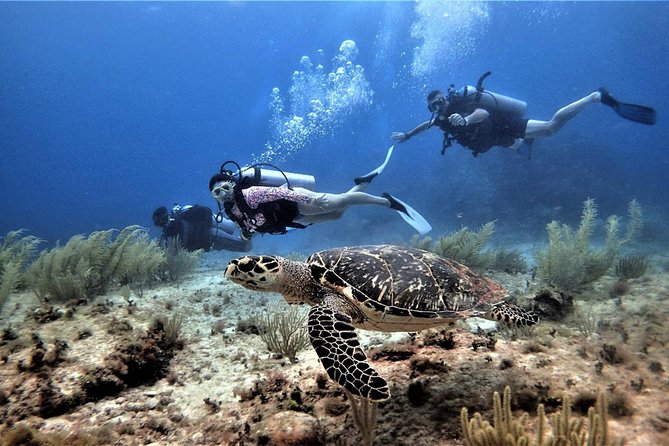
The PADI Open Water level is described as the first scuba certification tier, and once completed, it allows you to scuba to 18 meters. That is the practical end goal of this course.
Why that matters: certification is not only about finishing a class. It is about opening doors. With the right training and adherence to rules, this certification level is your entry into guided scuba experiences where you can explore underwater environments with confidence built from real skill practice.
Also, the course includes your PADI Open Water certification as part of the package. So you are not paying extra at the end to get the credential.
Safety and health notes you should not ignore
Scuba is fun, but it is still a health and safety activity. Two points are explicitly called out and you should treat them seriously.
First, diving within 24 hours of flying is not recommended. If you are arriving by plane, plan your first day so your body has time to settle. That makes your training day smoother and helps you avoid unnecessary fatigue.
Second, you must complete a health questionnaire before diving. Some medical conditions, including asthma and heart conditions, may prevent you from diving. If any of this applies to you, talk to your doctor before you commit to the course.
Finally, there is optional diving insurance. The course does not include it, so if insurance is part of your personal risk plan, sort it out ahead of time rather than assuming it is automatic.
Value check: what you are paying for, beyond the label
This is not just a “come try scuba” experience. The value sits in the combination of:
- theory and practice (not only one of them)
- confined-water pool skill training
- four ocean training sessions
- equipment use and boat transport included
- hotel pickup and drop-off across a wide area
At $600, you are paying for a guided path from theory to certification, and you are not paying extra for the core components listed above. If you prefer clear deliverables, this package style is easier to trust.
Your money also goes toward something you cannot easily measure: instructor time and calm pacing. Feedback around Patrick and Elana specifically points to patience, not just competence.
Should you book Diversland Mexico for PADI Open Water in Cancun?
Book it if you want your first scuba certification with a structured PADI program, included equipment, and four ocean training sessions that build on pool skills. It is a good fit for people who want help staying calm and focused, and you value small-group attention with a max of 15.
Consider looking for another option if you know you will struggle with a three-day pace starting at 8:30 am, or if your health status might make the health questionnaire a problem. Also, if you are arriving from flying within the last 24 hours, plan your schedule so you do not fall into the recommended no-go window.
If you do book, show up ready to do the theory and follow the instructor’s guidance closely. That approach will pay off fast when you are learning buoyancy and safety procedures.
FAQ
What certification level is included?
The course includes PADI Open Water certification. It is described as the first level of certification and it allows scuba to 18 meters.
How long is the course?
The duration is listed as 3 days (approx.).
Where does the course take place?
It takes place in Cancún, Quintana Roo, Mexico, with the program starting at Diversland and continuing with an additional stop at Blue Dive.
What time does the activity start?
The start time is 8:30 am.
Do I get hotel pickup and drop-off?
Yes. Pickup is offered from all hotels in Playa del Carmen, Cancun, and Riviera Maya, and the activity ends back at the meeting point.
What training sessions are included?
It includes theory and pool practice, plus practice in the pool and four ocean training sessions.
Is scuba equipment included?
Yes. Equipment use and a digital manual are included.
Is the course taught in English?
Yes. The course is offered in English.
Is diving insurance included?
No. Diving insurance is optional and not included.
What health requirements are required before diving?
All participants must complete a health questionnaire prior to diving, and some pre-existing medical conditions may prevent you from diving. Diving within 24 hours of flying is not recommended.
What is the minimum age to participate?
The minimum age is 12 years.
More Tour Reviews in Cancun
Not for you? Here's more nearby things to do in Cancun we have reviewed





Tour Reviews, compared.
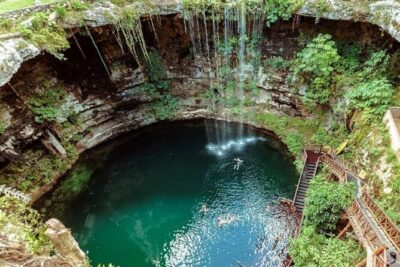 ★ 5.0Chichen Itza, Cenote, and Valladolid TourFrom $4524,293 reviews
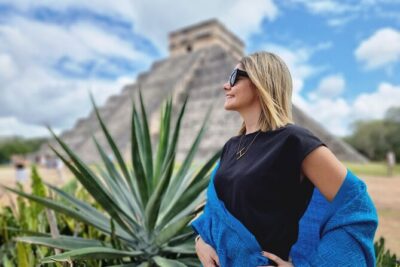 ★ 4.5Chichen Itza, Cenote & Valladolid Tour with Tequila and LunchFrom $3415,789 reviews
 ★ 4.6Chichen Itza, Cenote & Valladolid Tour with LunchFrom $496,722 reviews
 ★ 5.0Early morning Chichen Itza Tour: Cenote and Tequila TastingFrom $266,657 reviews
 ★ 5.0Private Roundtrip Transportation from Cancun Airport to Cancun Hotel ZoneFrom $945,086 reviews
 ★ 4.5Cancun ATV Jungle Adventure, Ziplines, Cenote and Tequila TastingFrom $494,873 reviews
 ★ 5.0Viator Exclusive: Tulum Ruins, Reef Snorkeling, Cenote and CavesFrom $1294,242 reviews
 ★ 4.5Chichen Itza Early Access All Inclusive: Hotel Pick up & All FeesFrom $1654,123 reviews