
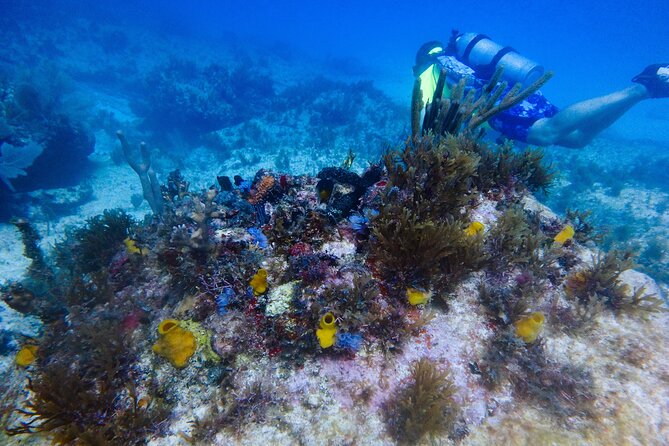
Tour review · TOUR REVIEWS
Scuba Diver Certification Course
Two days to start breathing underwater. In Isla Mujeres, this step-by-step training course walks you from classroom basics to a National Marine Park outing. I love the max 4 students setup, because it makes it easier for your instructor to correct your technique fast.
One thing to plan for is moderate physical fitness and the simple fact that conditions have to cooperate for the open-water part.
Key things to know before you go
- Two-day structure that builds in safe progression: classroom learning, confined-water skills, then a park boat outing
- Hands-on coaching in a small group: with up to 4 people, you spend more time practicing and less time waiting
- You train core safety moves: mask clearing, buoyancy checks, and alternate air-breathing practice
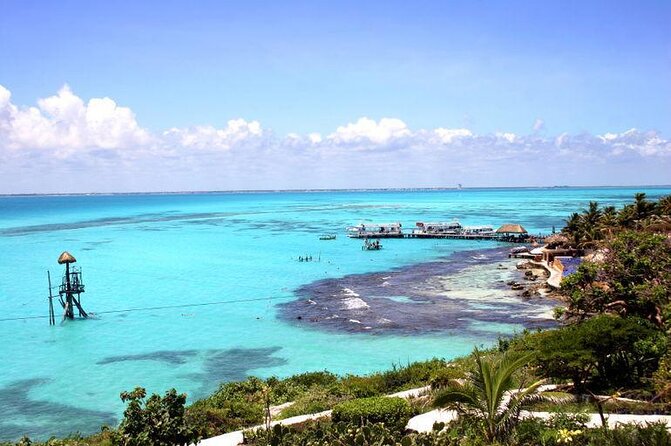
- A real reef location: the final segment happens in the National Marine Park on Isla Mujeres
- English instruction: the course is offered in English, which keeps the learning curve reasonable
Scuba Diver certification in Isla Mujeres: the real appeal
Isla Mujeres is a friendly place to learn scuba because the training model here is straightforward. You get the theory first, then you practice the exact skills in controlled water, and only then do you take those skills out where the scenery matters.
This course is also priced so it feels like more than a quick try-it. At $430 per person, you are not just paying for a single boat outing or a one-off lesson. You’re paying for a full two-day certification path that includes classroom work, confined-water practice, and a two-tank National Marine Park session.
The shop’s reputation backs up the learning style. The overall rating is 4.9 with 93% recommendation, and the recurring theme is confidence. People describe feeling supported, safe, and well-guided, especially when they were new or training younger family members.
You can also read our reviews of more scuba diving tours in Isla Mujeres
Price and value: why $430 can be a solid deal
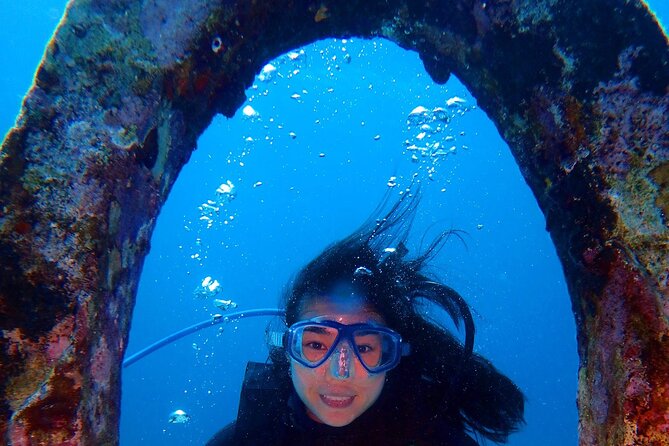
Let’s break down what you’re buying for $430. You’re getting three major pieces:
First, Day 1 classroom knowledge development using the manual and videos with your instructor. Second, Day 2 confined water skills, where you practice safety tasks like mask clearing, buoyancy control, and alternate air-breathing. Third, Day 2 in the National Marine Park, with a boat ride and a two-tank scuba experience where you apply what you practiced.
If your goal is a real certification, that package matters. A lot of tourist “snorkel plus” activities look similar from the beach, but they do not train the same safety fundamentals or give you the credentials. Here, the structure is built for skill verification, not just sightseeing.
One more value point: this is limited to a maximum of 4 travelers. That usually means more instructor attention, which is the difference between learning and simply getting through a checklist.
Day 1 at 8:00 am: classroom training that sets up your water skills
You start at 8:00 am at Aqua Adventures Eco Divers, Av Juárez 13, Centro, across from Javi’s Cantina. The location is in the Centro area and close to public transportation, which helps if you are bouncing between hotel zones and want a smooth start.
Day 1 is knowledge development. You learn the basic principles using a manual, videos, and your instructor. The goal is to build a mental framework so when you get into the water, you understand what you are doing and why.
A practical note: classroom day can feel dry if you are impatient. But it pays off because you are not guessing when you switch from surface breathing to underwater breathing. You also get the safety logic before you ever need it.
Day 2 confined water skills: where confidence is built
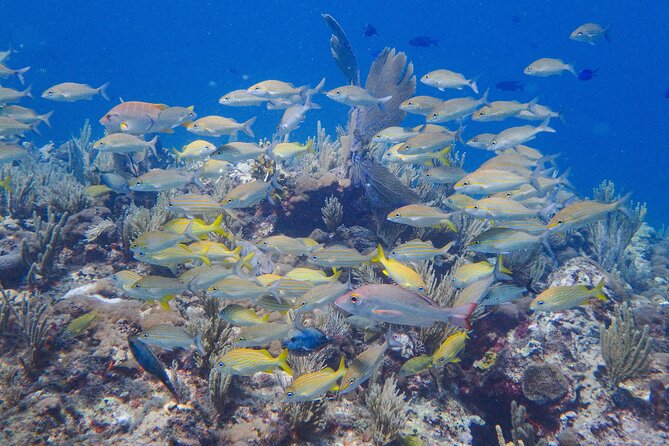
Day 2 begins with confined water dives (training sessions in a controlled setting). This is where your course becomes real. Instead of learning in abstract terms, you practice the skills that keep you calm underwater.
You’ll work through core tasks such as:
- Mask clearing
- Buoyancy checks
- Alternate air-breathing
- Other safe diving practices that fit your certification level
In the reviews tied to this shop and training approach, one of the most liked parts is the way they make skill-building playful. People described buoyancy practice that felt like underwater games, including navigating through hula hoops and knocking over weights using a regulator. That might sound silly on land, but underwater it trains control, timing, and awareness.
This stage is also where a small group shines. If you need one more repetition to feel steady, your instructor can give it without the whole class waiting in silence.
The National Marine Park segment: boat ride and a two-tank outing
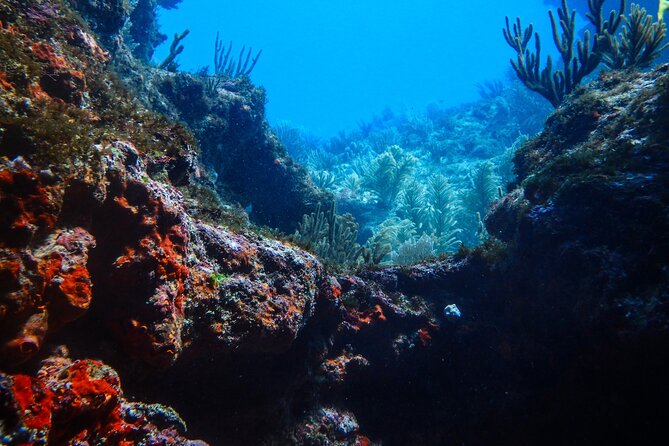
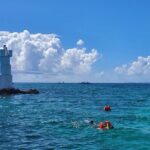
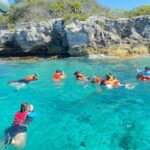
After the confined water work, you shift to the highlight most people are picturing. You go to the National Marine Park for your open-water application. The plan includes a 20 minute boat ride, then you spend time in the water using the skills you practiced.
It’s described as a two-tank scuba outing in the park. Translation: you get more than one underwater opportunity, which helps you settle in and then apply the skills more naturally the second time.
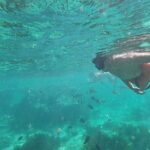
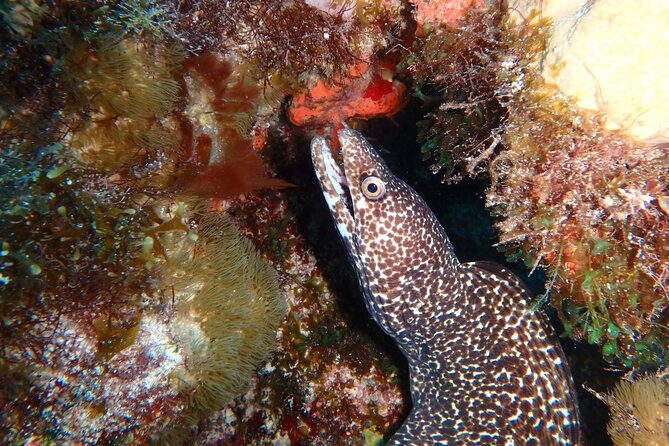
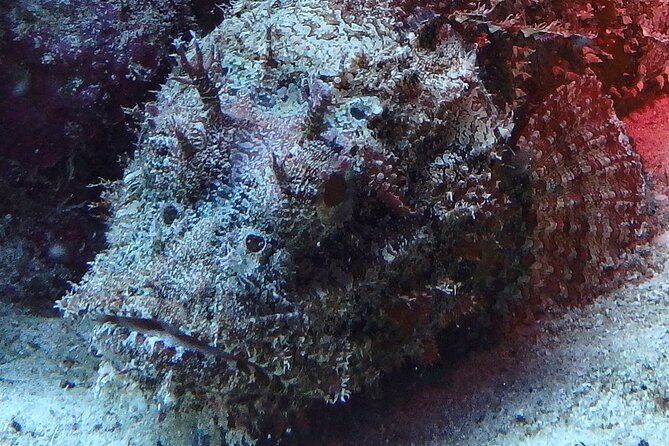
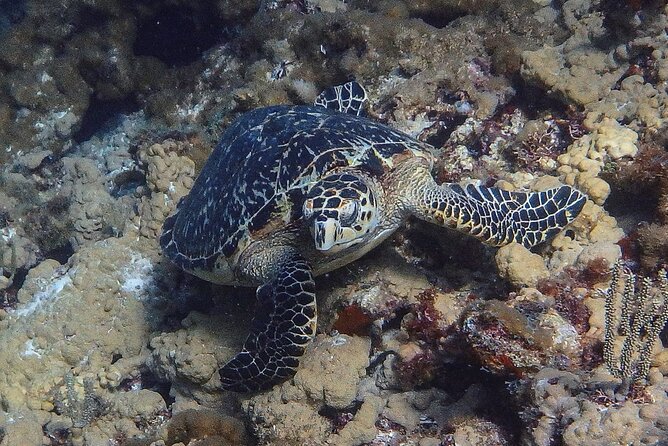
This is also where marine life becomes part of the curriculum. Isla Mujeres is known for the kind of wildlife that keeps you curious even while you’re focused on skills. In reviews connected to the same operator and training style, people mentioned seeing turtles, rays, octopus, and even close encounters like a curious barracuda. Sharks were also mentioned, along with batfish and other reef species.
Don’t come in expecting every moment to be wildlife action. But do come in expecting good planning and a relaxed pace that supports both learning and seeing things.
Small group size means your training doesn’t get watered down
With a maximum of 4 travelers, you generally get fewer bottlenecks. That matters on certification courses because progress is tied to repeated practice, not to watching someone else do it.
The shop’s training culture also shows up in how people describe the staff. In reviews, instructors and guides are repeatedly praised for being patient and supportive, especially when someone was nervous or brand new.
If you want a mental image: in a larger group, you might take turns while others wait. With this group size, you get more chances to practice right when your brain is ready for the next correction.
Instructors and support: who you might learn with
The operator has a team with several names that pop up in their training stories. You might work with instructors such as Nina, Dani, Pedro, or Sebastian, depending on scheduling. For other courses and additional sessions offered by the same shop, names like Jason, Gus, Sharon, Paul, and Marie show up as part of their training and planning support. The boat captain team includes people like Markos and Jhair.
You should not expect any single name, but it is a good sign that the shop consistently runs training with recognized instructors and guides. The reviews repeatedly connect good outcomes to good instruction, not luck.
Also look at how the shop handles stress. In multiple stories, people felt safe because the staff communicated clearly and moved at a pace that matched skill level.
Safety and equipment reality checks you should do
Even the best training shop can run into equipment quirks. One review related to certification training raised concerns about leaking connections and gauge confusion, and the shop responded with detailed points about how equipment is inspected, how small leaks can happen, and how gauge units (metric vs imperial) are taught. Whether or not that exact issue affects your course, the lesson is universal.
Before you start practical work, take your own small steps:
- Ask what gauge units you’ll be using and confirm you know how to read them.
- Pay attention during your pre-session checks and do not rush through the comfort stage.
- If anything feels off, speak up immediately. Your instructor would rather fix it early than push through.
The good news is that another review praising the shop’s overall setup described equipment being double and triple checked, plus gear being rinsed and stored so people could focus on the training instead of managing logistics.
In other words: expect a safety-first shop, and still bring your own calm checklists.
What you might see underwater around Isla Mujeres
Your course is about certification, not a wildlife safari. Still, the location has real character, and that makes the learning more fun.
From reviews connected to the same operator, the common wildlife highlights include:
- Turtles
- Rays
- Octopus
- Barracuda encounters
- Sharks and other reef fish
- A mix of schooling fish like batfish
A subtle but important point from those stories: people described longer-than-expected time underwater because planning was solid and the pace felt relaxed. If you are worried that training will feel like constant stress, the better mental model is structured practice plus time to look around within safe limits.
Getting ready: fitness level and what “moderate” means
The course is listed for travelers with moderate physical fitness. That usually means you should be comfortable with basic endurance, including walking short distances, getting in and out of the water, and managing your gear without feeling wiped out.
If you are brand new, you might find the first skills feel awkward. That’s normal. Your success comes from slowing down and working the steps your instructor gives you.
You’ll also benefit if you arrive rested. The first day is classroom learning, and the second day is practice that requires focus. If you show up sleep deprived, you’ll spend more energy wrestling nerves than learning the technique.
Where this course fits best (and who should consider upgrading)
This course is best if you want a structured start and you value coaching. It suits:
- Beginners who want a clear progression from classroom to controlled water to open-water practice
- Families or groups who appreciate small-group attention
- Anyone who wants certification steps that can lead to PADI Open Water later, since you can talk to your instructor about completing the full course
It is also a good fit if you want an operator that runs professional training in English and keeps the group size tight.
One consideration: the program is only two days, so you should treat it as a focused start. If you want maximum flexibility and more independent training later, ask your instructor about next steps while you are still in the learning mindset.
Should you book this Scuba Diver certification course?
If your goal is a real scuba credential with a sensible progression, I think this one is worth strong consideration. The mix of Day 1 classroom work, Day 2 confined water skills, and the two-tank National Marine Park outing gives you a full learning arc, not just a taste.
The biggest reasons to book are the small group limit and the repeated emphasis on feeling safe and supported. The price also feels reasonable for what’s included, especially because you’re paying for practical skill verification plus a meaningful marine setting.
The main reasons to pause are the moderate fitness requirement and the dependence on weather for the open-water component. If you are prone to panic in water, bring that concern to your instructor right away so they can set you up for calm success.
If you want an easy yes, do this: contact the shop before you go and ask how they handle equipment checks and unit preferences. Then show up curious, not rushed, and treat the first day as the foundation for the fun parts on day two.
FAQ
How long is the Scuba Diver certification course?
The course is listed as approximately 2 days.
What time does the experience start, and where do we meet?
The start time is 8:00 am. You meet at Aqua Adventures Eco Divers, Centro (across from Javi’s Cantina), Av Juárez 13, Centro, Isla Mujeres, Q.R., Mexico.
What happens on the first day?
Day 1 is knowledge development in the classroom using a manual, videos, and instruction from your instructor.
What skills do you practice on the second day?
On Day 2, you practice confined water skills such as mask clearing, buoyancy checks, alternate air-breathing, and other safe diving practices.
What is included after the confined water skills?
Day 2 includes a National Marine Park session with a 20 minute boat ride, followed by a two-tank scuba experience where you use the skills you practiced.
Is the course offered in English, and how big is the group?
The course is offered in English, and the maximum group size is 4 travelers.
What if weather is poor?
This experience requires good weather. If it is canceled due to poor weather, you will be offered a different date or a full refund.
More Scuba Diving Tours in Isla Mujeres
More Tour Reviews in Isla Mujeres
Not for you? Here's more nearby things to do in Isla Mujeres we have reviewed

Tour Reviews, compared.
 ★ 5.0Chichen Itza, Cenote, and Valladolid TourFrom $4524,293 reviews
 ★ 4.5Chichen Itza, Cenote & Valladolid Tour with Tequila and LunchFrom $3415,789 reviews
 ★ 4.6Chichen Itza, Cenote & Valladolid Tour with LunchFrom $496,722 reviews
 ★ 5.0Early morning Chichen Itza Tour: Cenote and Tequila TastingFrom $266,657 reviews
 ★ 5.0Private Roundtrip Transportation from Cancun Airport to Cancun Hotel ZoneFrom $945,086 reviews
 ★ 4.5Cancun ATV Jungle Adventure, Ziplines, Cenote and Tequila TastingFrom $494,873 reviews
 ★ 5.0Viator Exclusive: Tulum Ruins, Reef Snorkeling, Cenote and CavesFrom $1294,242 reviews
 ★ 4.5Chichen Itza Early Access All Inclusive: Hotel Pick up & All FeesFrom $1654,123 reviews
Browse the lists this tour appears in