
Tour review · TOUR REVIEWS
Another Day in Paradise at Chichen Itza
Chichén Itzá clicks when Tony D explains. I like the guided walkthrough that turns stonework into a clear story, and I love the added Oxmán cenote time that cools you off after the ruins. One possible drawback: it is a long day in sun, and you will do a fair amount of walking between stops.
This is a private tour/activity for your group, handled in English with pickup by a 12-passenger Nissan Urban (2021). You get admission tickets included on the itinerary stops, plus regional food in Valladolid, with no drinks included.
Key Highlights Before You Go
- Tony D’s clear, question-friendly guiding that makes details easier to remember
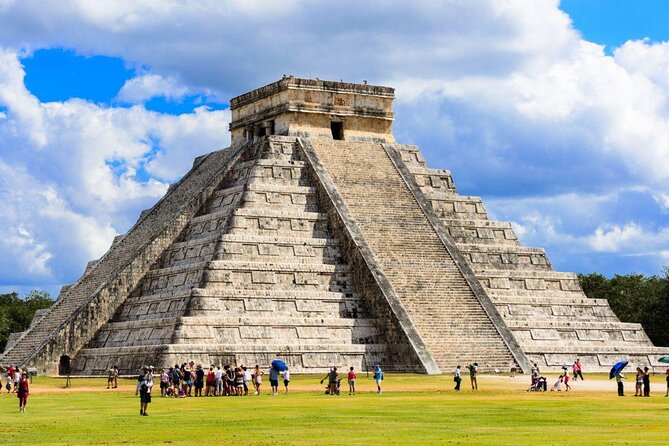
- Chichén Itzá’s must-sees, from the Temple of Kukulcán to the Great Venus Platform
- A big ball court stop with scale you can actually picture (225 feet wide, 545 feet long)
- Hacienda Cenote Oxmán with life jackets and true downtime built into the schedule
- Valladolid food at the end with panuchos and cochinita pibil mentioned on the menu
How the Day Flows: Chichén Itzá, Oxmán Cenote, Valladolid Food
The trip is built like a rhythm: big awe first, then a cool reset, then a local meal and some free time to wander.
Stop 1 is Chichén Itzá for about 3 hours, with time focused on a list of headline structures and carvings rather than a rushed “see it all” scan. Stop 2 is Hacienda Cenote Oxmán in the Valladolid area for around 1 hour, with life jackets included so you can focus on the water and not logistics. Stop 3 is Valladolid for about 2 hours of free exploring, ending with a regional food meal (and yes, drinks are not included).
If you’re wondering whether this is too much, think of it as: 3 hours of ruins walking and listening, 1 hour of swimming or floating, then a lighter stroll in a real town. The structure also matters because the pacing is a big part of why people feel the day works.
You can also read our reviews of more tours and experiences in Cancun.

Chichén Itzá Stop: Temple of Kukulcán and the Real Shape of the Place
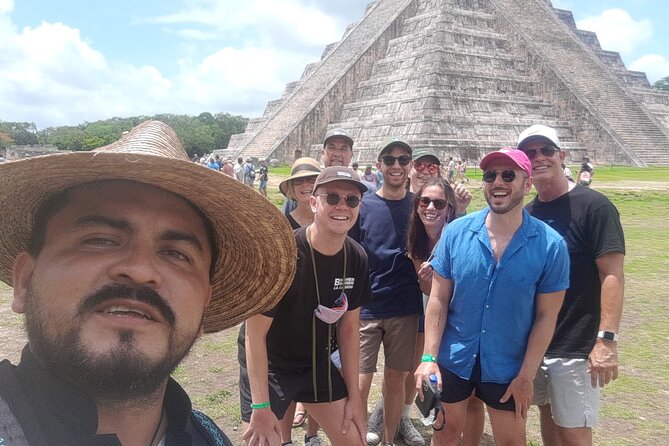
The Temple of Kukulcán is the star because it dominates the center, but the real value is what a guide helps you notice while you’re there. You’ll stand where the structure takes up your whole field of view, then move on so you can connect the geometry and symbolism to what you see in the carvings around it.
You should also expect that this stop is the most intense part of the day. Chichén Itzá is outdoor and sun-heavy, and the way the monuments are laid out means you’ll be switching between viewpoints and reading stone details. That is exactly where a strong guide pays off, especially if you like explanations you can ask follow-up questions on.
One extra practical upside: in the way this day is run, you have a better chance of reducing time stuck in the worst crowd moments. That changes the experience from frantic to more “stand, look, understand, move.”
Ball Game Court, Temple of the Jaguars, and Tzompantli Skulls
Chichén Itzá is not just one pyramid. It is a whole toolkit of architecture, and the itinerary pulls in multiple key examples so you can compare how each space functioned.
You’ll visit the Ancient Mayan Ball Game Court with its huge dimensions: about 225 feet wide and 545 feet long. Seeing a court that scale helps you understand why the ball game mattered socially and ceremonially. It is also a great moment to take a step back and realize how built this place was, not just carved for decoration.
Then you’ll move to the Temple of the Jaguars, named for the jaguar sequence in front of the structure. The stop focuses on layered design and intricate carvings that show different types of images, so it’s easier to see pattern and meaning rather than just admire texture.
After that comes one of the most striking and heavy sites: the Platform of the Skulls (Tzompantli). This platform is described as a memorial space for past victims and also a display area connected to sacrificial prisoners or enemies who died in battle. If you prefer your archaeology lighter, this is the point where you’ll feel the emotional weight of the story. It is also why a guide matters, because it helps you place what you’re seeing in context instead of treating it like a shock photo stop.
Temple of the Eagles and Jaguars, Chacmool, and the Great Venus Platform
At this stage, the itinerary shifts from individual structures to a theme you can follow: how animal imagery and ritual symbolism show up across different buildings.
The Temple of the eagles and jaguars is named for reliefs showing eagles and jaguars devouring human hearts. Even if you have seen plenty of Mayan visuals online, standing in front of the real carvings hits differently. It is vivid, and it forces you to slow down long enough to interpret what you’re looking at.
Next is Chacmool. This is one of those pieces you can overlook if you’re just chasing the biggest pyramid photo. With a guide, you can treat it as part of a larger ritual landscape rather than an isolated object.
Finally, you’ll see the Great Venus Platform, notable for the steps on all four sides and the Plumed Serpents heads guarding the top. This stop is especially helpful if you like details that show up repeatedly in architecture. The platform is a lesson in how sacred ideas could be built into everyday movement, like climbing stairs from multiple sides to reach a shared focal point.
El Caracol and a Spiral Staircase You Can Imagine
El Caracol means snail in Spanish, and it earns the name from the spiral staircase inside the tower. That single detail is a great reminder that Chichén Itzá was engineered as a living space for ceremonies, not just a monument for later tourists to circle.
This portion of the tour also tends to be where the experience becomes more human. A spiral staircase is hard to understand from a picture, but on-site, it gives you something concrete to visualize. If you like architecture, you’ll probably find yourself paying attention to shape and function more than you expected.
And because the itinerary says and more, you’ll likely get extra stops that fill in gaps so you’re not left with only a handful of “big name” photos. The goal is to help you see connections.




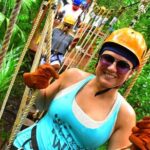
Hacienda Cenote Oxmán: Time to Cool Off, Life Jackets Included
After the ruins, Hacienda Cenote Oxmán is the reset button. You get about 1 hour of free time in a cenote near Valladolid, Yucatán, and life jackets are included.
That matters. Cenotes can feel intimidating if you are unsure about footing or how deep the water gets, so having life jackets makes the experience feel safer and less stressful. It turns “Do I want to get in?” into “Let’s enjoy this.”
This stop is also a pacing win for the whole day. The day can be emotionally heavy at the ruins, then the cenote gives you a quieter moment. You are not rushing; you are simply there to cool down, take pictures if you want, and enjoy a slower rhythm for a short stretch.
Valladolid Free Time and a Meal Focused on Regional Favorites
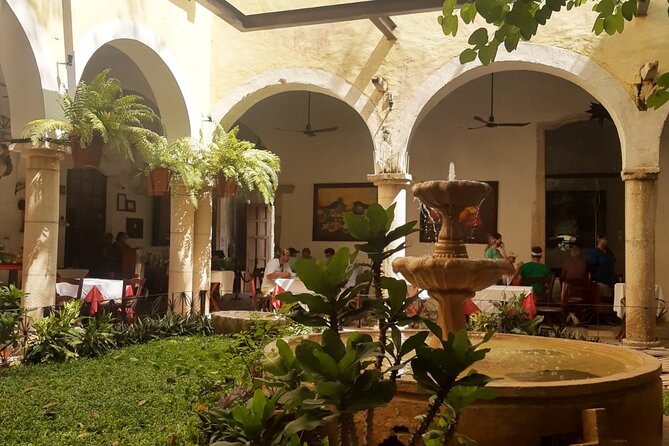
Then you shift from ancient stones to a living town.
You’ll have about 2 hours in Valladolid for souvenirs and exploring downtown on your own. This is practical because it breaks up the long guided block with something lighter and more personal. You can choose what you’re curious about, rather than feeling herded between stops.
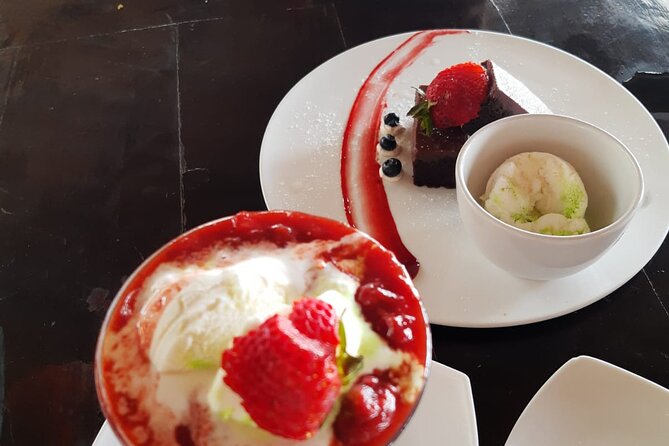
At the end of the tour, you’ll enjoy a meal of regional food, with examples like panuchos, cochinita pibil, chorizo de Valladolid, and more. Drinks are not included, so plan on buying water if you need it, especially if you’ve been outdoors most of the day.
If you like tasting your destination instead of just taking photos, this is a strong finish. It’s also a good payoff for all the explanation you got at Chichén Itzá, because you end the day feeling like you saw more than monuments.
Why the Guide Tony D Makes the Difference
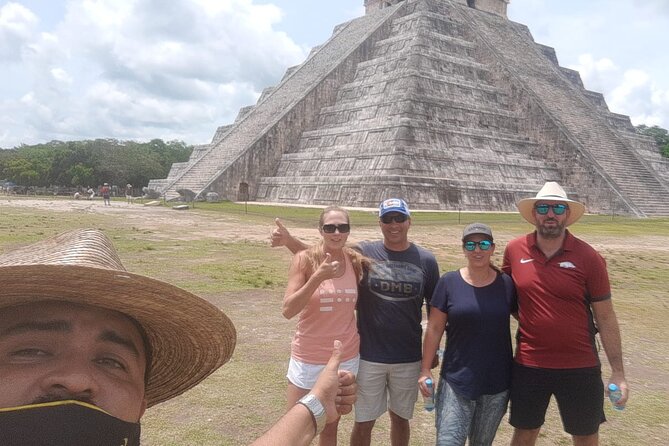
The biggest praise point is the guide, and that’s no small thing. With Tony D, the explanations are described as clear and full of passion, and the tone is professional but comfortable enough that people feel safe asking questions.
I like that this kind of guiding is not just reciting facts. It is helping you learn what matters while you are still looking at the stones. When a guide can answer your questions on the spot, you don’t have to rely on memory or guesswork later.
The pacing also gets credit. People mention arriving first or getting you to the sites early enough to reduce heat and crowd pressure. Even a small shift like that changes everything. Your photos look less chaotic, and you can actually stand still long enough to take in details.
For families, there is another practical benefit. One of the strongest comments was that kids stayed interested after the trip, talking about Mayan history and building ideas they picked up during the day. That only happens when the guide can translate complex material into something you can understand in real time.
If you’re picky about tours, this is the detail to pay attention to. A private guided day is only worth it if you leave knowing more than you started.
Price and Value: What You Get for the Day
There’s no price listed here, so I’ll judge value by what’s included and how the day is structured.
First, admission tickets are listed as included for the stops on the itinerary, which reduces the mental load of figuring out what you must buy separately. Second, you get a life-jacket-supported cenote hour instead of a “good luck” situation. Third, you end with a regional meal so the day has a clear local payoff, not just sightseeing.
The private format also matters. A van for up to 12 passengers is small enough for personal attention, and the private setup means it is your group moving together rather than you blending into a big mass. If you care about asking questions and getting answers tied to what you’re seeing, that alone can make this feel like better value than a generic bus tour.
One thing to watch: the meal includes regional food, but no drinks are included. That is not a deal-breaker, but it’s a budgeting detail you should remember.
Who This Tour Fits Best (and Who Might Skip It)
This day works especially well if you:
- Want a guided explanation at Chichén Itzá, not just self-guided wandering
- Prefer a schedule with distinct parts, ruins, cenote, then town and food
- Like learning in a way that sticks, including for kids
- Appreciate small-group pacing that may help you avoid the worst crowd and heat moments
It might be less ideal if you:
- Want a fully flexible itinerary where you can linger for hours in one place
- Struggle with extended outdoor walking and sun exposure
- Are only interested in a single top monument and nothing else
Should You Book This Tour?
If you want the day to feel organized, meaningful, and not exhausting in a chaotic way, I think this is a strong bet. The standout is the combination of Chichén Itzá explained well, a cenote break with life jackets, and a Valladolid food finish that feels local instead of generic.
Book it if you value guided context. Skip it if you want to figure everything out on your own and you dislike any schedule at all.
FAQ
Is pickup included?
Yes. Pickup is offered, using a Nissan Urban van (2021) for up to 12 passengers.
What language is the tour offered in?
The tour is offered in English.
How long is the tour?
The itinerary is listed as about 1 to 9 hours (approx.), with scheduled parts of about 3 hours at Chichén Itzá, 1 hour at Hacienda Cenote Oxmán, and 2 hours in Valladolid.
What is included in the cenote stop?
Life jackets are included, and the cenote admission ticket is included. You’ll have free time there for about 1 hour.
Do I get admission tickets?
Admission tickets are listed as included for the itinerary stops (Chichén Itzá, Hacienda Cenote Oxmán, and Valladolid).
Will I eat on the tour?
Yes. At the end of the Valladolid portion, you’ll enjoy a meal of regional food such as panuchos, cochinita pibil, and chorizo de Valladolid. Drinks are not included.
Can I cancel for a refund?
Yes. Cancellation is free, and you can cancel up to 24 hours in advance for a full refund.
More Tour Reviews in Cancun
Not for you? Here's more nearby things to do in Cancun we have reviewed












Tour Reviews, compared.
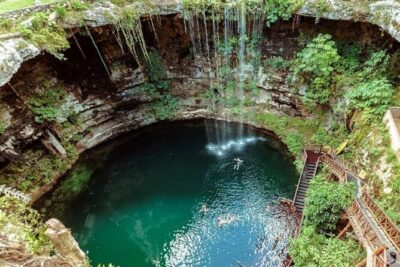 ★ 5.0Chichen Itza, Cenote, and Valladolid TourFrom $4524,293 reviews
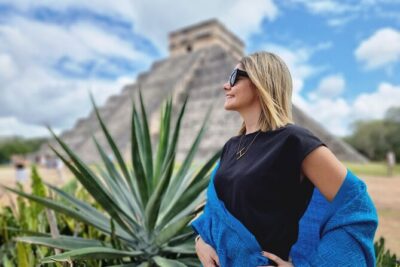 ★ 4.5Chichen Itza, Cenote & Valladolid Tour with Tequila and LunchFrom $3415,789 reviews
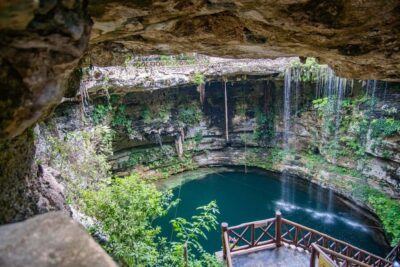 ★ 4.6Chichen Itza, Cenote & Valladolid Tour with LunchFrom $496,722 reviews
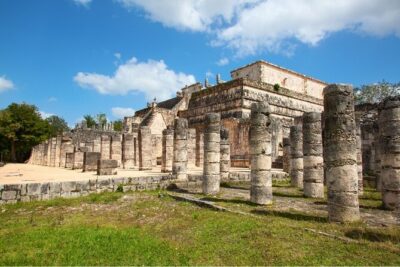 ★ 5.0Early morning Chichen Itza Tour: Cenote and Tequila TastingFrom $266,657 reviews
 ★ 5.0Private Roundtrip Transportation from Cancun Airport to Cancun Hotel ZoneFrom $945,086 reviews
 ★ 4.5Cancun ATV Jungle Adventure, Ziplines, Cenote and Tequila TastingFrom $494,873 reviews
 ★ 5.0Viator Exclusive: Tulum Ruins, Reef Snorkeling, Cenote and CavesFrom $1294,242 reviews
 ★ 4.5Chichen Itza Early Access All Inclusive: Hotel Pick up & All FeesFrom $1654,123 reviews
Browse the lists this tour appears in