
Tour review · TOUR REVIEWS
Artisanal Chocolate Bean to Bar Workshop in Cancún
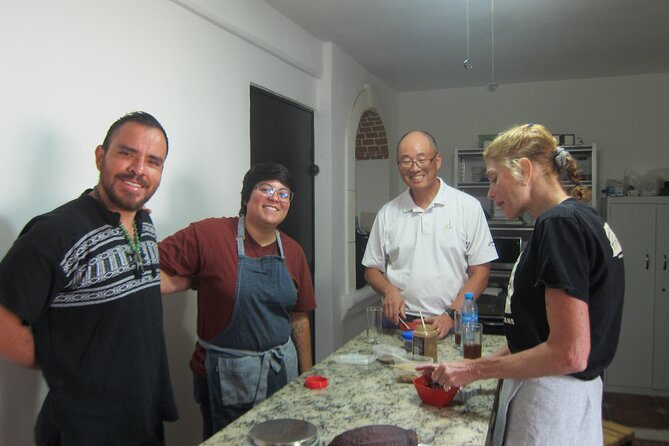
Cacao can look simple. It is not. In this 2-hour bean-to-bar workshop in Cancún, you get hands-on steps that go from cacao to tempered chocolate, plus a guided history of cocoa that traces back to the Maya tradition. I especially like the small group size (max 10), and how the tasting and sensory activities are built into the class, not tacked on. One possible drawback: at $116.99 for about 2 hours, it is pricier than a basic tasting, so you’ll want to go in ready to participate and actually learn the process.
You start with a cocoa drink, then move into tempering, molding, and making your own bars with a local chef. The experience also focuses on how cacao is grown by the people who make it possible, and how to spot true artisanal bean-to-bar chocolate. If you have strong dietary restrictions or allergies, plan to flag them up front since the class notes food allergies but does not list specific substitutions.
Key highlights you’ll care about
- Small group, hands-on pace with a maximum of 10 travelers
- Tempering and molding practice so you learn the mechanics, not just the result
- Cocoa sensory time using touch, smell, and taste as part of the lesson
- Take-home payoff of 3 chocolate bars made during the workshop
- Cacao-to-chocolate storytelling with a Maya cocoa history and legends theme
A hands-on bean-to-bar workshop that actually teaches technique
This is a cooking-class style chocolate workshop, designed for people who want to do more than nibble. The full experience runs about 2 hours, starting at 4:00 pm, with the activity ending back at the same spot you begin. The meeting point is Carl’s Jr., Av. Tikal, Supermanzana 40, 77500 Cancún, Q.R., Mexico.
The price is $116.99 per person, and what you are paying for is not just chocolate tasting. You are also paying for ingredients and materials, guidance through the tempering process, help with molding, snacks, and the chance to walk away with chocolate you made yourself. If you like “show me how it works,” this format fits.
Also, the group is capped at 10 travelers, which matters in a class like this. With fewer people, you get more attention while you handle ingredients and learn what “correct tempering” means in real life.
You can also read our reviews of more drinking tours in Cancun



What happens when you arrive: cocoa drink, history, and the senses
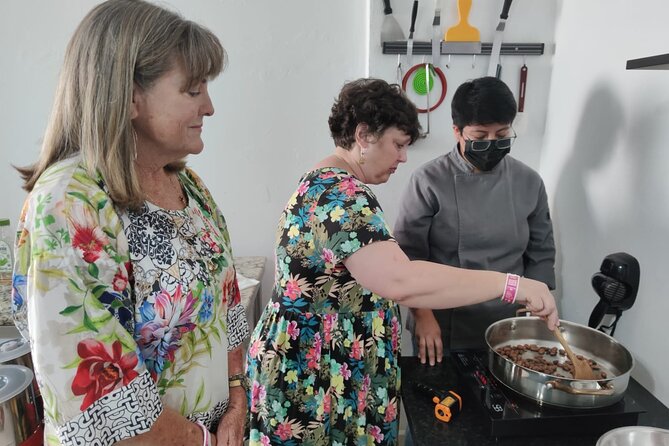
The workshop starts with a welcome cocoa drink made with the same chocolate they produce in-house. That’s a nice touch because it sets expectations early. You are not just drinking something sweet to pass the time, you are being introduced to the flavor base you will work with later.
Then the chef brings in the history and legends around cacao. The class frames it through the Maya ancestors, noting that hot chocolate was enjoyed here more than 3,000 years ago. You also learn how this product’s origin connects to this part of the world, which makes the lesson feel grounded instead of generic.
After that comes the best part for chocolate nerds: you get to use your senses. The class is built around touching, smelling, and tasting fresh ingredients that go into a proper bar. This sensory approach helps you understand why chocolate quality changes with ingredients and handling, especially around flavor balance and texture.
If you are traveling with kids, pay attention to the teaching style. The experience is described as including moments where children stir cacao ingredients and taste the chef’s creations while learning the Maya tradition of cocoa. Even if you are not with kids, that tells you the format is approachable, not overly formal.
Tempering in real life: why it matters for the bar you take home
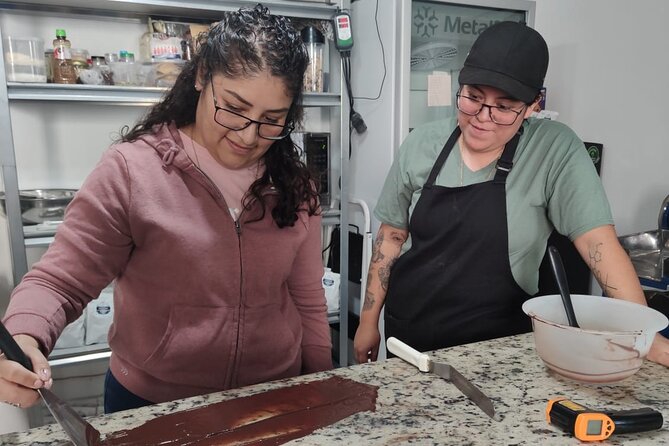
Tempering is the skill at the heart of great chocolate. The workshop specifically teaches how to do the correct tempering process, and that is where a lot of “tasting tours” fall short. Anyone can eat chocolate. Fewer experiences show you why some chocolate sets with the right snap and sheen, while other chocolate turns dull or soft.
In the class, you are guided step by step through the tempering workflow. You also learn what to aim for, which is especially valuable if you plan to try making chocolate at home later. Even if you never go that far, it changes how you judge bars in stores.
The tempering lesson also sets you up for the next skill: molding. Getting from tempered chocolate to a finished bar is not automatic. The workshop ties the steps together so your bar’s outcome feels logical, not random.
Molding and flavor balance: turning technique into something you own
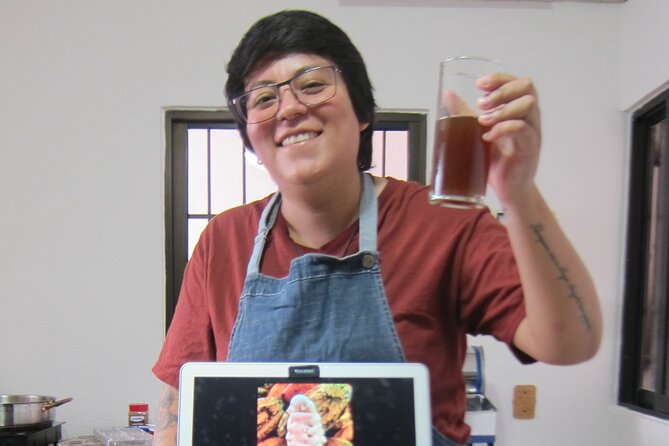
Once tempering is underway, you move into molding. This is where the class becomes very hands-on. You will be provided ingredients and materials to make your own chocolate bar, guided by the local chef.
The chef focuses on flavor balance, and the class frames it as a process, not just a recipe. That matters because chocolate flavor can shift with proportions and how ingredients are blended. You learn the kind of choices that separate a decent bar from a truly enjoyable one.
Then you taste. The workshop includes a chocolate tasting snack plus tastings of the chef’s creations. You also get to identify what makes a real artisanal bean-to-bar chocolate, including how to tell the difference from mass-produced options. That identification piece is underrated. Once you learn what to look for, you start noticing it everywhere.
And because you are doing the work, the tasting becomes a tool. You are not tasting blindly, you are tasting with context.
Cacao farming techniques and how to recognize true artisanal chocolate
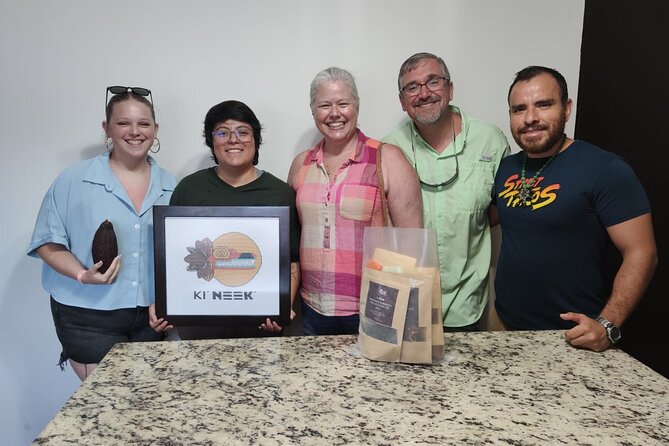
The class does not stop at the kitchen steps. It also covers agriculture techniques of the cacao makers who grow the cacao used for the process. That education gives you a fuller picture of bean-to-bar chocolate, where flavor is shaped long before the chocolate ever hits a bowl.
You also learn how to identify a real artisanal chocolate bean to bar. That doesn’t mean you get a chemistry course. It means you learn practical cues and concepts so your choices improve when you shop later. For example, you get the perspective that bean-to-bar quality is tied to the whole chain, from cacao handling to processing.
This is a key part of why the workshop is worth it. Many tours sell the idea of craftsmanship, but do not explain it. Here, you connect agriculture, ingredients, and technique to the final taste and texture.
More Cancun tours and day trips to compare
The take-home part: 3 bars plus a new way to judge chocolate
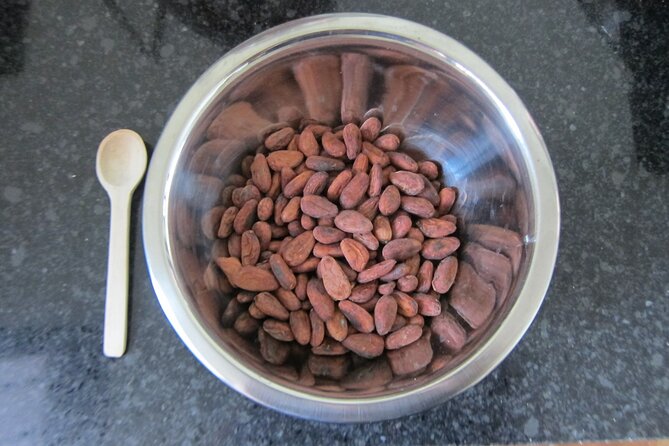
One of the cleanest “value” points in this workshop is what you leave with: 3 chocolate bars that you made during the class. That is the payoff that makes the price feel less abstract. You are not paying to watch someone else create. You are building something you can share.
The included bottled water is also a small but smart detail. A hands-on food class can get messy, and being hydrated helps you stay focused on the steps.
You can also use the bars as a souvenir that actually makes sense. In a place like Cancún, chocolate is easy to buy, but it is not as easy to buy something that has a real maker’s process behind it. With these bars, you have a story tied to technique and ingredients.
Where it fits in your Cancún trip, and who will love it most
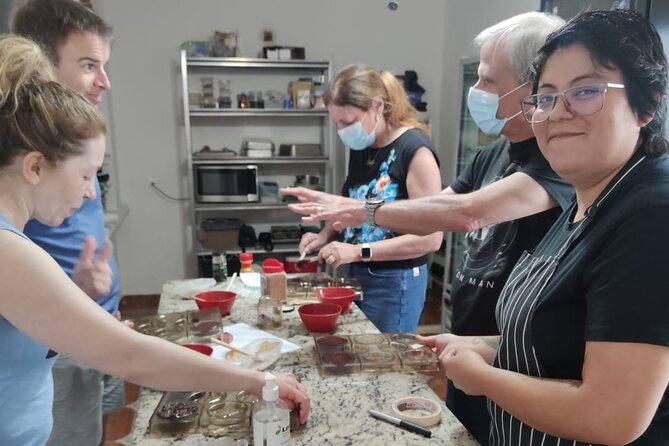
This experience starts at 4:00 pm, which makes it a good fit for an afternoon when you want something calmer than the beach but still hands-on. It is also a solid option if you want to build one “local-food” activity without committing to an all-day tour.
It is best for:
- Chocolate lovers who want technique, not just tasting
- People who like small group classes and direct chef guidance
- Anyone interested in how cacao connects to Maya traditions and local origins
It might not be ideal for you if:
- You only want a quick snack and have no interest in tempering or molding
- You expect a very short visit, because it is about 2 hours
- You have allergies that require specific swaps, since the listing only notes that food allergies exist, without describing accommodations
If you’re booking, note that confirmation is received within 48 hours (subject to availability). Also, it is commonly booked about 50 days in advance, so you may want to plan ahead if you have specific dates in mind.
Final call: should you book this bean-to-bar class?
I think you should book it if you want an experience that teaches you how good chocolate is made. The combination of tempering, molding, and a guided cacao story gives you both craft and context. Plus, the 3 take-home bars make it feel like more than a tasting stop.
I would skip it if your goal is just to eat chocolate in a low-effort way. At $116.99, the best results come from treating this like a real class, not a walk-through. If you like learning by doing, this workshop is an easy yes.
FAQ
How long is the Artisanal Chocolate Bean to Bar Workshop in Cancún?
The workshop lasts about 2 hours.
Where do I meet, and where does the experience end?
You meet at Carl’s Jr., Av. Tikal Supermanzana 40, 77500 Cancún, Q.R., Mexico. The activity ends back at the meeting point.
What time does the workshop start?
The start time is 4:00 pm.
What is included in the price?
The price includes ingredients and materials to make your own chocolate bars, snacks for chocolate tasting, a presentation of the chocolate making process, bottled purified water, and 3 chocolate bars.
How big is the group?
The class has a maximum of 10 travelers.
What is the cancellation policy?
You can cancel for a full refund if you cancel up to 24 hours in advance of the experience start time. If the minimum number of travelers is not met, the provider may offer another date or a full refund. Confirmation is subject to availability.
More Dessert Tours in Cancun
More Drinking Tours in Cancun


More Tour Reviews in Cancun


Not for you? Here's more nearby things to do in Cancun we have reviewed









Tour Reviews, compared.
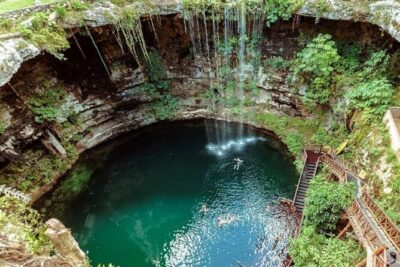 ★ 5.0Chichen Itza, Cenote, and Valladolid TourFrom $4524,293 reviews
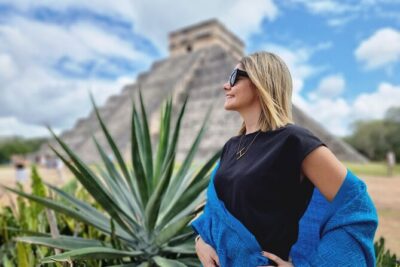 ★ 4.5Chichen Itza, Cenote & Valladolid Tour with Tequila and LunchFrom $3415,789 reviews
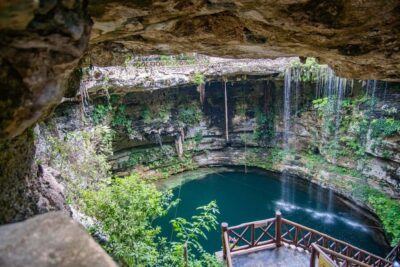 ★ 4.6Chichen Itza, Cenote & Valladolid Tour with LunchFrom $496,722 reviews
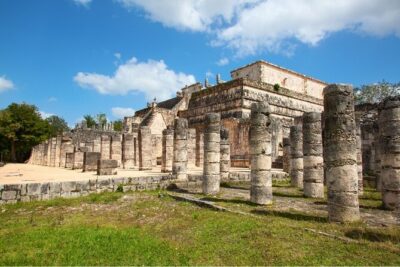 ★ 5.0Early morning Chichen Itza Tour: Cenote and Tequila TastingFrom $266,657 reviews
 ★ 5.0Private Roundtrip Transportation from Cancun Airport to Cancun Hotel ZoneFrom $945,086 reviews
 ★ 4.5Cancun ATV Jungle Adventure, Ziplines, Cenote and Tequila TastingFrom $494,873 reviews
 ★ 5.0Viator Exclusive: Tulum Ruins, Reef Snorkeling, Cenote and CavesFrom $1294,242 reviews
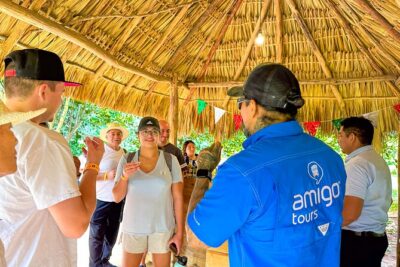 ★ 4.5Chichen Itza Early Access All Inclusive: Hotel Pick up & All FeesFrom $1654,123 reviews
Browse the lists this tour appears in